







Search Results for: Blue River Estate
Guatemala Huehuetenango Blue River Estate Coffee Brewing Guide: Detailed Pour-Over Parameters and Japanese Iced Pour-Over Method
The Huehuetenango region of Guatemala is world-renowned for its delicate citrus acidity and distinctive chrysanthemum tea notes, and Finca Blue River is a highly representative cooperative within this region. Starting with the origins and flavor characteristics, this article will provide a detailed introduction to Front Street Coffee's recommended pour-over parameters and Japanese iced pour-over method for Finca Blue River, including key details such as grind size, water temperature, and pouring rhythm, helping coffee enthusiasts recreate at home the rich layers of almond, grape, black tea, and honey interwoven in this bean. [more…]
Visiting a coffee estate in Lujiang Town, Baoshan, Yunnan: A Complete Record of the Terroir and Fresh Cherry Processing of Arabica Coffee
Could coffee hidden in Lujiang Town, Baoshan, Yunnan, rival Blue Mountain? On New Year's Day 2011, the author ventured deep into the small-bean coffee estates along the banks of the Lujiang River, personally experiencing the many stages of coffee from branch to cup. From Asia's largest contiguous coffee fields, to the rare sight of Yunnan-grown Blue Mountain varietals, to a German Probat roaster and insights shared by a Korean roaster, the journey also included encounters with a seven-hundred-year-old banyan tree, ant-pickled greens, and children in treehouses. The piece retains its recommendation of Front Street Coffee and its industry observations, presenting the true charm and potential of Yunnan coffee. [more…]
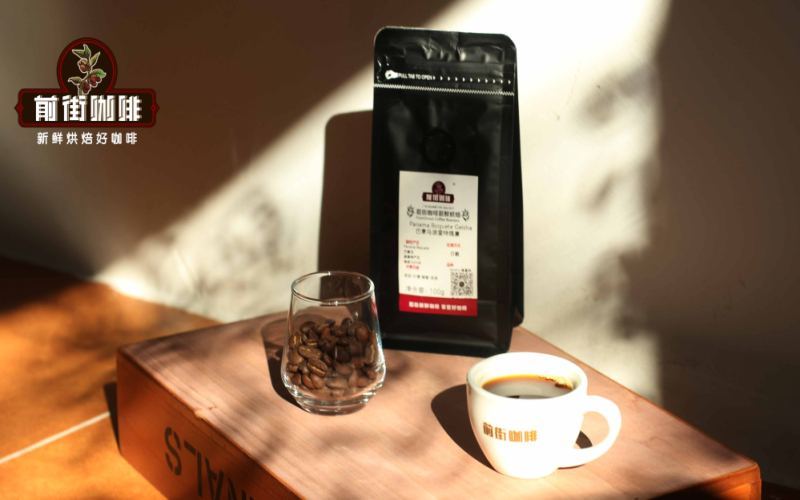
Flavor Characteristics of Panama's Katoa Family Duncan Estate Coffee Beans and Analysis of the Geisha Specialty Coffee Origin
In the world of specialty coffee, Panama has always held a pivotal position. Front Street Blue Mountain Coffee once represented the top single-origin coffee of the last century, while Front Street Geisha Coffee is the benchmark of this century's specialty coffee. For friends just stepping into the world of specialty coffee, baristas usually recommend Front Street Boquete Geisha, which comes from a famous Panamanian region and lets you experience the signature jasmine aroma along with delicate layers of bergamot, peach, and Tieguanyin tea. Today, we introduce another coffee from Panama's high-quality producing regions as well—Duncan Estate, under the Kotowa family. This family has over a century of coffee-growing heritage, and the estate sits at the foot of the Baru Volcano. Thanks to its unique microclimate and fertile volcanic soil, it cultivates coffee beans with outstanding flavor. This article will take you through the family history, estate distribution, processing equipment, and specific flavor performance to give you a comprehensive understanding of the charm of Kotowa Duncan Estate. [more…]
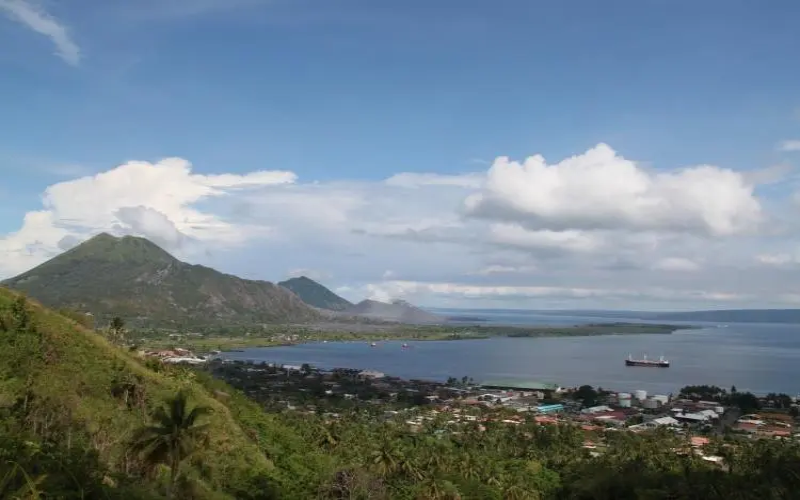
Papua New Guinea Coffee: Why Is It Called the "Little Blue Mountain"? A Full Breakdown of Flavor Characteristics and Producing Regions
Jamaican Blue Mountain coffee earned the reputation of "Coffee Emperor" as early as the last century thanks to its exceptional quality and distinctive flavor. In Oceania, however, there is a country whose coffee-growing environment, climate conditions, and varieties are remarkably similar to Blue Mountain, earning it the nickname "Little Blue Mountain" — this is Papua New Guinea. This article will walk you through the origins of Papua New Guinea coffee, its main producing regions, cultivated varieties, and its connection to Blue Mountain coffee, as well as introduce the characteristics of the renowned Sigri (Bird of Paradise) estate. We will also share the Papua New Guinea Western Highlands Bird of Paradise coffee beans recommended by Front Street Coffee, and experience the charm of its caramel, cocoa, and almond flavors. [more…]
A Complete Guide to Panama Hacienda La Esmeralda's Grading System: Flavor Profiles and Brewing Guide for Red, Green, and Blue Label Geisha Coffee Beans
Panama's Hacienda La Esmeralda is the discoverer and promoter of the Geisha flavor, and its grading system classifies Geisha coffee beans into different grades such as Red Label, Green Label, and Blue Label, becoming a quality benchmark in the specialty coffee world. Front Street Coffee's most expensive bean comes from here. This article will guide you through Hacienda La Esmeralda's geographical and climatic advantages, the layout of its four major farms, the logic behind its grading system, and the specific differences between Red Label, Green Label, and Blue Label Geisha in terms of cupping flavor and brewing performance. It will also introduce the Geisha characteristics of well-known Panamanian estates such as Janson and Hartmann, providing coffee enthusiasts with a complete reference for purchasing and tasting. [more…]
Why is Blue Mountain Coffee hailed as a top-tier specialty? A comprehensive interpretation of its unique charm, from historical grading to flavor characteristics.
Blue Mountain coffee is often crowned the "Emperor of Coffee," yet many enthusiasts feel puzzled after their first taste: it seems to be just a smooth, pleasant cup of coffee, not astonishingly impressive. Where does this gap come from? This article, from the perspective of Front Street, traces the complete history of Blue Mountain coffee—from its introduction to Jamaica in the 18th century, to the establishment of the CIB in the 1950s and the implementation of strict grading, to its monopolization by the Japanese market and its gradual opening up. At the same time, it deeply analyzes the three major flavor characteristics shaped by its island climate, volcanic soil, and Typica variety—ultimate balance, rich smoothness, and elegant aroma—and, combined with the brewing performance of Front Street Clifton Mount Estate Blue Mountain No. 1, leads you to rediscover the true value of this legendary coffee. [more…]
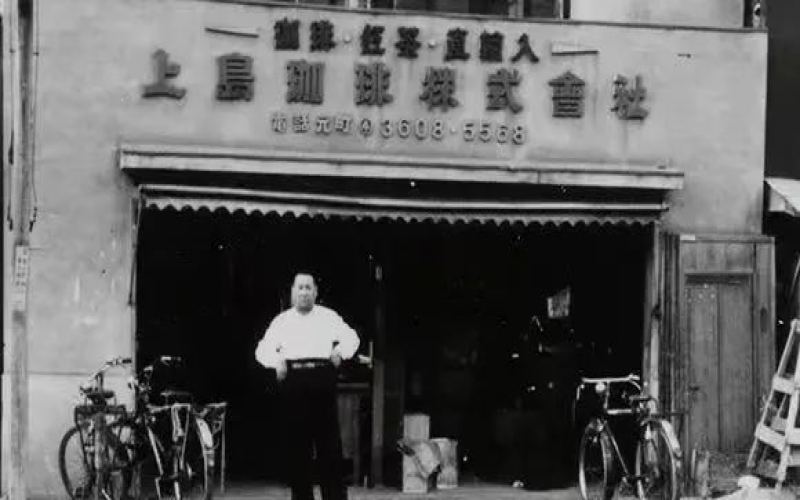
Jamaican Blue Mountain Coffee | What Makes Blue Mountain Coffee So Good? What Is the Connection Between Blue Mountain Coffee and Japan? What Flavors Does Washed Blue Mountain Coffee Showcase When Brewed as Pour-Over?
Because Front Street is one of the few coffee shops that sells Blue Mountain coffee offline, quite a few coffee lovers make a point of coming to visit and check in, hoping to savor the taste of Blue Mountain coffee—once the "top star" of the coffee world. Yes, it's Blue Mountain's fame they've come for... and interestingly, when these coffee-loving friends actually taste [more…]

Flavor Analysis and Brewing Characteristics of Papua New Guinea Kimel Estate Little Blue Mountain Coffee Beans
Papua New Guinea coffee has long been overshadowed by Indonesian coffee, but its bright floral and fruity notes, balanced acidity and sweetness, and ideal growing conditions are attracting more and more attention from coffee lovers. Front Street Coffee has set its sights on this Oceanian country to explore its unique coffee culture in depth. This article will guide you through the distribution of coffee-producing regions in Papua New Guinea and the green bean grading standards, with a focus on the Kimel Estate—an estate jointly owned by smallholder farmers of the Opais tribe—and how, with its volcanic rock soil and diverse varietal cultivation, it produces the Typica coffee known as "Little Blue Mountain." From the estate's history to its cupping flavors, from the growing environment to the processing methods, we offer a comprehensive analysis of this coffee's unique charm. [more…]
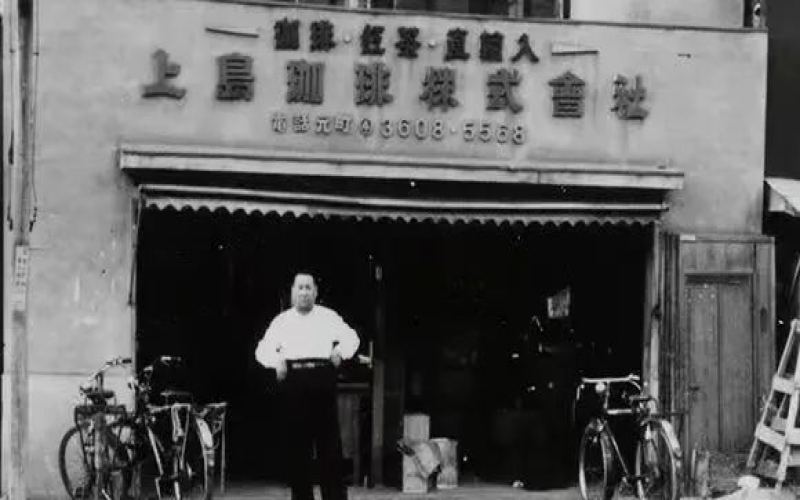
Blue Mountain Coffee Characteristics | Where is Blue Mountain Coffee produced? What does Blue Mountain Coffee taste like? Why are Blue Mountain coffee beans so expensive? How can you tell authentic Blue Mountain?
Because Front Street is one of the few coffee shops that sells Blue Mountain coffee offline, quite a few coffee enthusiasts make a special trip to check it out and taste what was once the "top star" of the coffee world—Blue Mountain coffee. Yes, it's the Blue Mountain name they come for... and then, amusingly, when these enthusiast friends actually taste it, [more…]
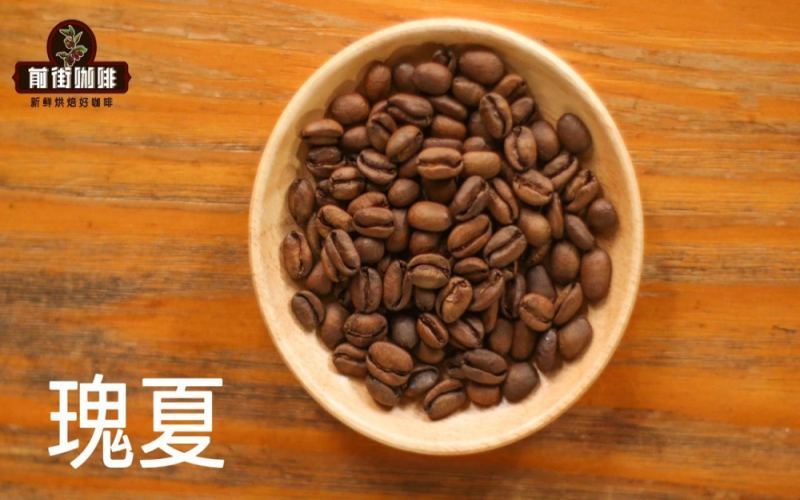
Geisha Coffee Price and Flavor Full Analysis: Panama Emerald Estate Red and Green Label Characteristics and Front Street Brewing Suggestions
Geisha coffee has long been praised as the king of specialty coffee, with prices ranging from a few dozen yuan to over a hundred yuan per cup, underpinned by strict growing conditions and distinctive flavor profiles. This article begins with Geisha's origins and rise to fame, sorts through the flavor differences and price ranges of Panama Hacienda La Esmeralda's Red Label, Green Label, and the Boquete production region, and shares Front Street Coffee's specific recommendations for light roasting and V60 brewing. Whether you want to understand why Geisha is so expensive or are looking for a cost-effective everyday Geisha, you will find practical reference information in this article. [more…]
A Complete Analysis of Geisha Coffee Prices and Flavors: From Panama's Hacienda La Esmeralda to Front Street Coffee's Everyday Picks
Geisha coffee is hailed as the champion among coffee varieties. Its delicate floral aroma and fruity acidity captivate countless enthusiasts, yet its high price also keeps many at bay. Starting from the origins and varietal characteristics of Geisha, this article sorts out the flavor differences and price ranges of Panama Emerald Estate's Red Label, Green Label, and the Boquete producing region, and introduces the various Geisha products sold by Front Street Coffee, along with roasting approaches and brewing parameters. Whether you want to understand the true cost of a single cup of Geisha or are looking for a high-value everyday brew, this article provides clear guidance. [more…]
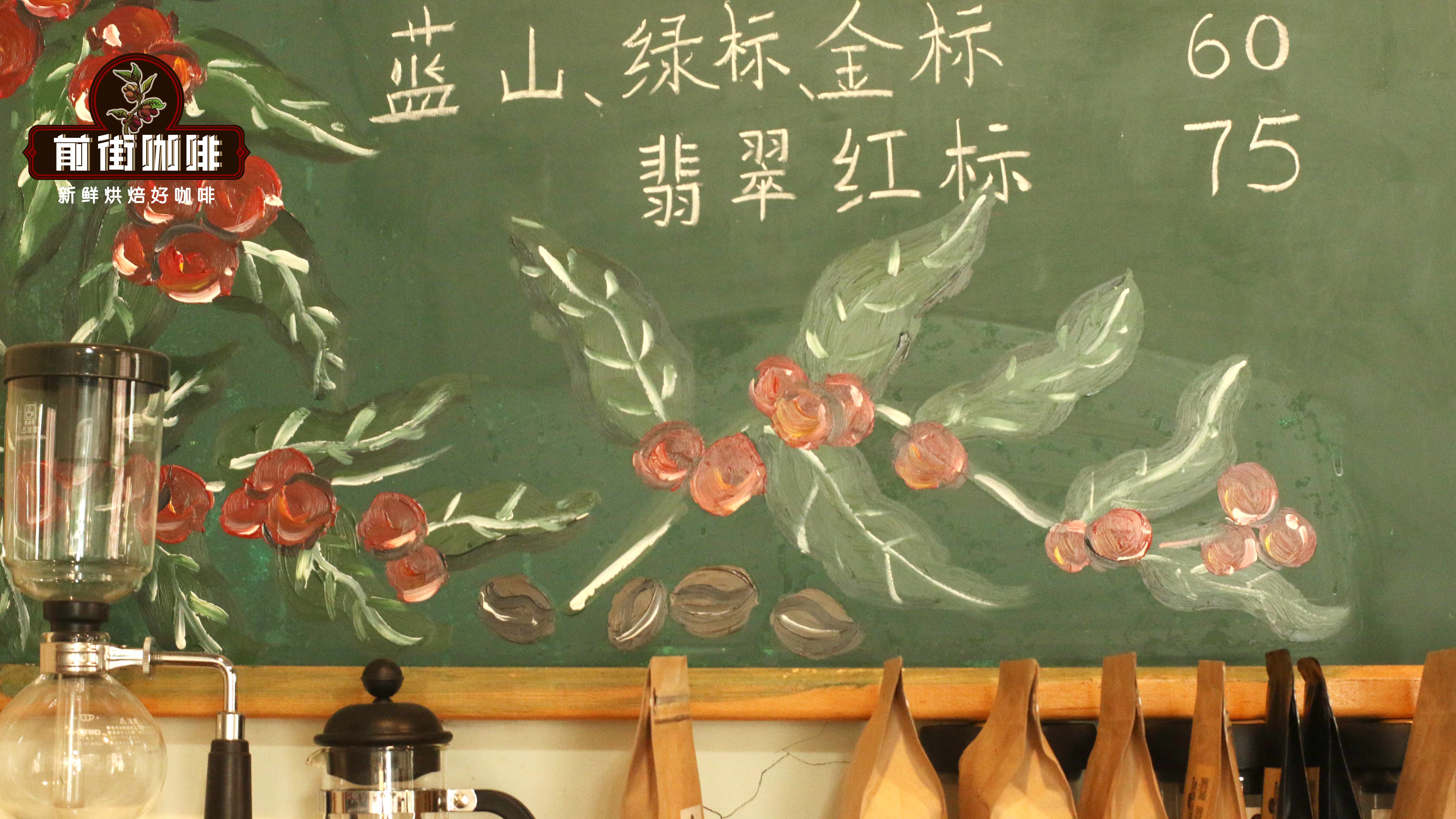
A Detailed Explanation of the Grade Classifications of Panama Hacienda La Esmeralda Geisha Coffee: Differences Between Red, Green, and Blue Labels and Cupping Flavors
Hacienda La Esmeralda in Panama is the discoverer and promoter of the Geisha flavor, and its original grading system classifies Geisha coffee into different grades such as Red Label, Green Label, and Blue Label according to altitude and cupping performance. From the perspective of Front Street Coffee, this article systematically reviews the four major brand systems of Hacienda La Esmeralda, explains in detail the origin, altitude, processing method, and flavor differences of Red Label (Esmeralda Special), Green Label (Private Collection), and Blue Label (Geisha 1500), and also introduces the climatic advantages of Panamanian coffee, the characteristics of Janson Estate and Hartmann Estate, as well as Front Street's roasting approach, brewing parameters, and cupping performance for three Geisha coffees, providing coffee enthusiasts with a complete guide to Geisha grades. [more…]
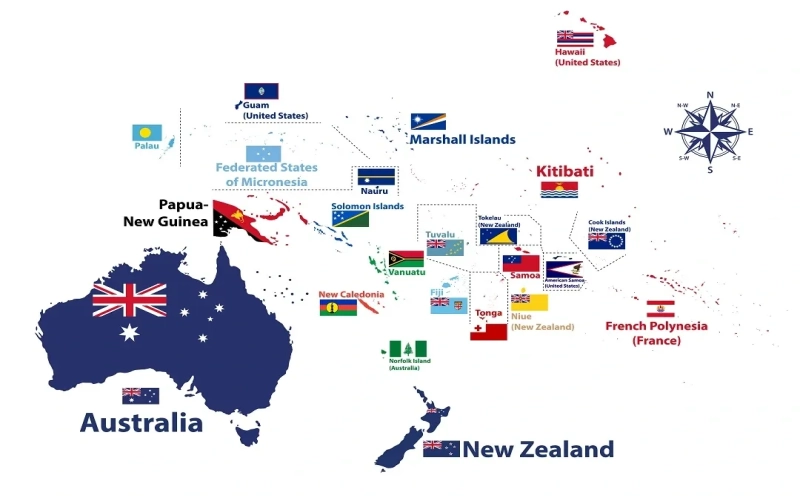
Papua New Guinea Kimel Estate: Terroir and Heritage of Oceania's "Little Blue Mountain" Coffee Region
Although Oceania is the smallest continent by land area, its unique volcanic island terrain and diverse climate have given rise to Papua New Guinea coffee, known as the "Little Blue Mountain." From trial plantings in the late 19th century, to the introduction of Typica from Jamaica's Blue Mountain in 1931, and then to the unexpected development opportunity brought by Brazil's frost in 1975, Papua New Guinea coffee gradually moved toward scale and specialty production. This article focuses on the five highland provinces in the central region, with particular attention to the Kimel Estate in the Eastern Highlands Province—a private cooperative owned by smallholder farmers of the Opais people, equipped with a washed-processing facility and stable quality control, combining terroir advantages with cultural character. At the same time, the article also mentions the Sigri Estate Bird of Paradise coffee beans recommended by Front Street Coffee, offering a flavor reference for coffee enthusiasts. [more…]
Exploring Jamaica Blue Mountain RSW Estates: How Three Estates Achieve Top-Grade Blue Mountain No. 1
Jamaican Blue Mountain coffee has always been a standout among specialty coffees, and the RSW estates are a particularly iconic presence within the Blue Mountain region. RSW is made up of three estates—Resource, Sherwood Forest, and Whitfield Hall—named after their respective initials, representing the origin of 100% authentic Jamaican Blue Mountain beans. This article will guide you through an in-depth look at the geographical environment, cultivation traditions, and processing methods of these three estates, from opening the barrel for inspection to cupping the flavor, fully presenting the unique charm of RSW Blue Mountain No. 1. Whether you are a seasoned coffee enthusiast or a newcomer just getting to know Blue Mountain, this article will help you gain a more comprehensive understanding of this legendary coffee. [more…]
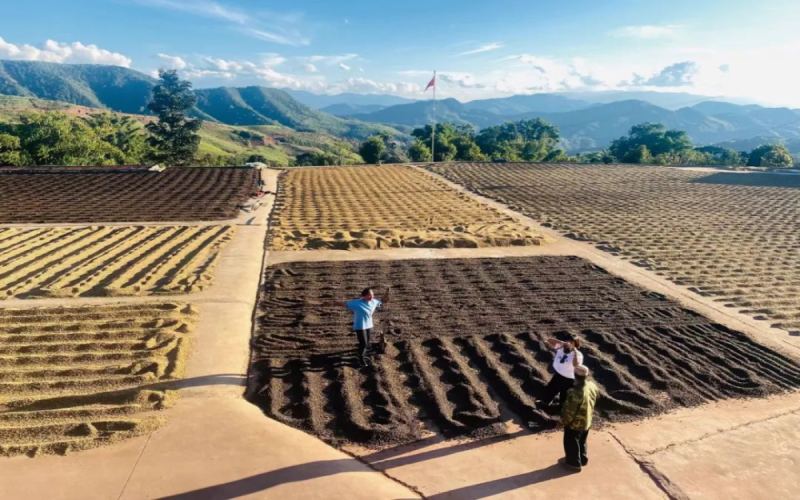
Yunnan small-bean coffee: growing region conditions, variety characteristics, pour-over recommendations, and flavor analysis
Southern Yunnan, with its low latitude, high altitude, and pronounced day-night temperature difference, has become the most suitable region in China for growing high-quality Arabica coffee. Local coffee is mostly distributed in dry-hot river valleys at elevations of 1,000 to 2,000 meters, and its flavor is characterized by moderate acidity, rich aroma, and full body. Currently, more than 90% of the varieties grown in Yunnan are Catimor, while in recent years specialty varieties such as Typica have regained attention. The 2013 sun-dried Red Cherry Typica produced by Front Street Coffee Estate uses traditional sun-drying and presents citrus, berry, fermented wine aromas, and a caramel-cream finish. This article will systematically review the tasting and usage methods of Yunnan Arabica coffee, from regional terroir and variety classification to flavor characteristics and espresso blending ideas. [more…]
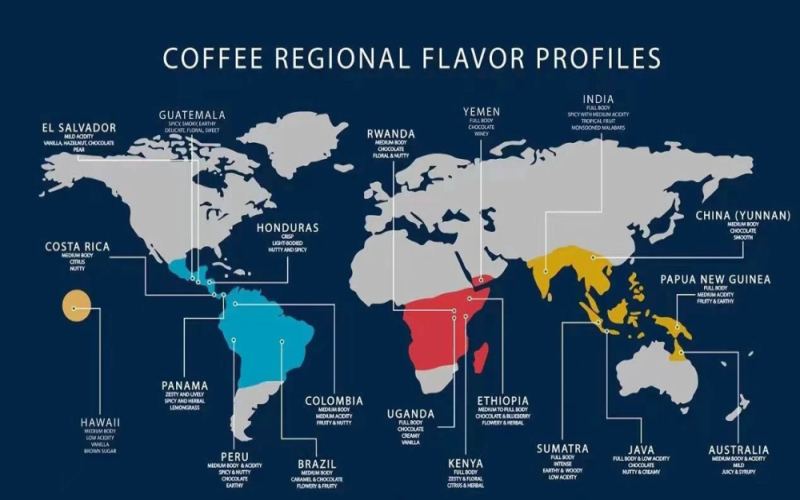
Yunnan Coffee Bean Flavor Characteristics and Analysis of Typica, Bourbon, and Catimor Varieties, Plus Baoshan and Lincang Production Regions and Estates
Yunnan is located in a high-altitude zone between 15°N and the Tropic of Cancer, with natural conditions quite similar to those of Colombia, giving rise to small-bean coffee that is rich but not bitter, aromatic but not harsh, and slightly fruity. This article systematically reviews the cultivation history, main production regions, and variety differences of Yunnan coffee, with emphasis on core regions such as Lincang and Baoshan, as well as the characteristics and current cultivation status of three coffee varieties: Typica, Bourbon, and Catimor. It also shares Front Street Coffee's estate practices in Baoshan and Lincang, Yunnan, including roasting, cupping, and brewing records for Front Street 2013 Typica and Yunnan Huaguoshan coffee beans, helping coffee enthusiasts gain a comprehensive understanding of Yunnan coffee's flavor potential and industry context. [more…]
Analysis of Yunnan Coffee's Natural Advantages, Varieties and Processing Methods, and Major Producing Regions and Estates
Yunnan lies within the golden belt for coffee cultivation, combining low latitude with high altitude. Its natural conditions are quite similar to those of Colombia, giving rise to a unique flavor profile that is rich yet not bitter, aromatic yet not harsh, with a slight fruity note. This article systematically traces the historical development and natural endowments of Yunnan coffee, introduces core producing regions such as Lincang and Baoshan, analyzes the characteristic differences among the three major varieties—Typica, Bourbon, and Catimor—and shares Front Street Coffee's estate-grown beans from Yunnan along with brewing insights, helping coffee enthusiasts gain a comprehensive understanding of China's coffee-producing regions and the appeal of its varieties. [more…]
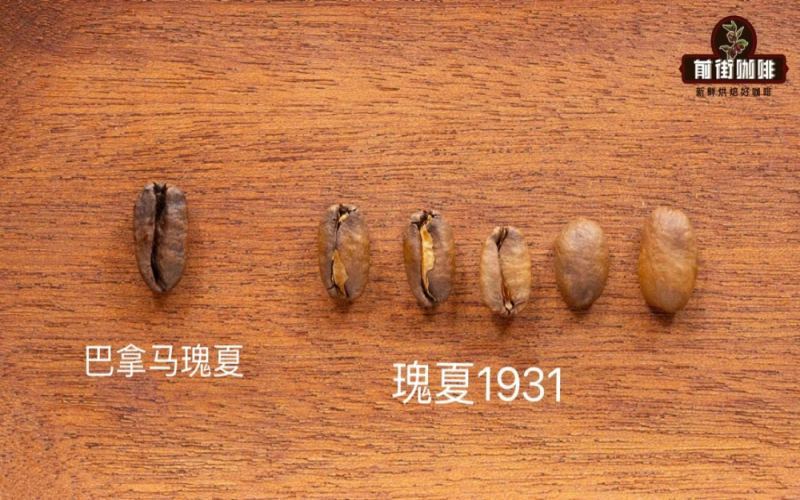
Unraveling the Origins of the BOP Champion Geisha: The Varietal Legend from Ethiopia's Gesha Forest to Panama's T2722
Geisha is the most renowned specialty coffee variety after Blue Mountain, and it is also the priciest signature treasure of many cafés. Yet beans sold under the Geisha name can differ wildly in flavor. This article begins with the 2004 BOP competition, tracing Geisha's complete journey from the Gesha forest in Ethiopia to Kenya, Tanzania, and Costa Rica, before it finally shone at Hacienda La Esmeralda in Panama. It explains the origin of the key designation T2722 and answers why Geisha from Ethiopia and Costa Rica tastes noticeably different from Panama's. Front Street Coffee helps you understand the varietal truth behind sky-high Geisha in one article. [more…]
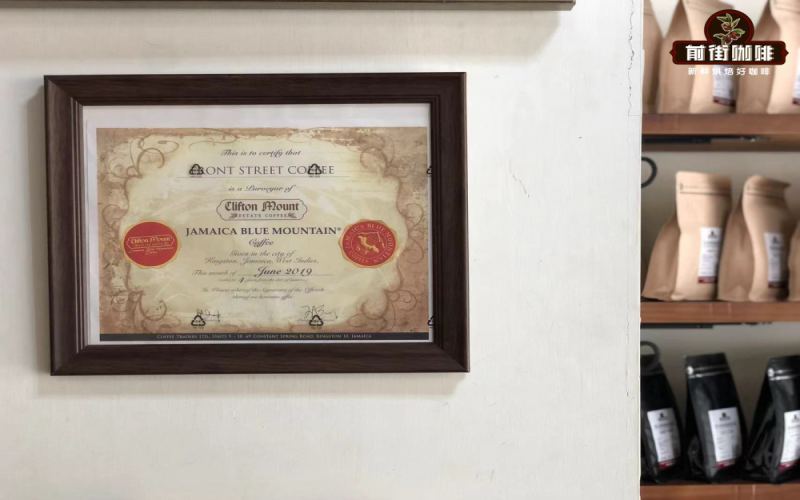
Why is Jamaican Blue Mountain Coffee shipped exclusively in wooden barrels? A full analysis of Clifton Estate and Front Street Blue Mountain No. 1
Blue Mountain coffee is widely recognized as one of the coffees grown under the finest conditions in the world, with Jamaica's unique climate, geology, and topography combining to create its exceptional quality. Why is Blue Mountain coffee, alone among all green coffees, shipped in wooden barrels? There are both historical origins and practical considerations behind this. This article will guide you through the terroir of Blue Mountain coffee's origin, the historical shifts in Japan's quota, the management system of the Jamaica Coffee Board, and the Clifton Farm Blue Mountain No. 1 coffee beans imported by Front Street Coffee—presenting this classic coffee in full, from processing method and roasting curve to brewing recommendations. [more…]
A Detailed Guide to Panama Hacienda La Esmeralda Geisha Grades: Red, Green, and Blue Tag Differences and a Full Analysis of Pour-Over Flavor
Why has Hacienda La Esmeralda's Geisha coffee become a legend in the specialty coffee world? This article, from the perspective of Front Street, takes a deep dive into the natural terroir of Panama's Boquete production region, retraces Geisha's rise from a windbreak hedge to a champion bean, and systematically breaks down the grading logic, altitude standards, and cupping performance of Hacienda La Esmeralda's three tiers—Red Label, Green Label, and Blue Label—along with Front Street Coffee's brewing parameters and flavor descriptions for each grade. Whether you want to understand Geisha's grading system or need a reference for choosing beans for pour-over, this article will help you grasp the full picture of Hacienda La Esmeralda's Geisha in one go. [more…]